Yeasty Boyz Starter
jar
$12
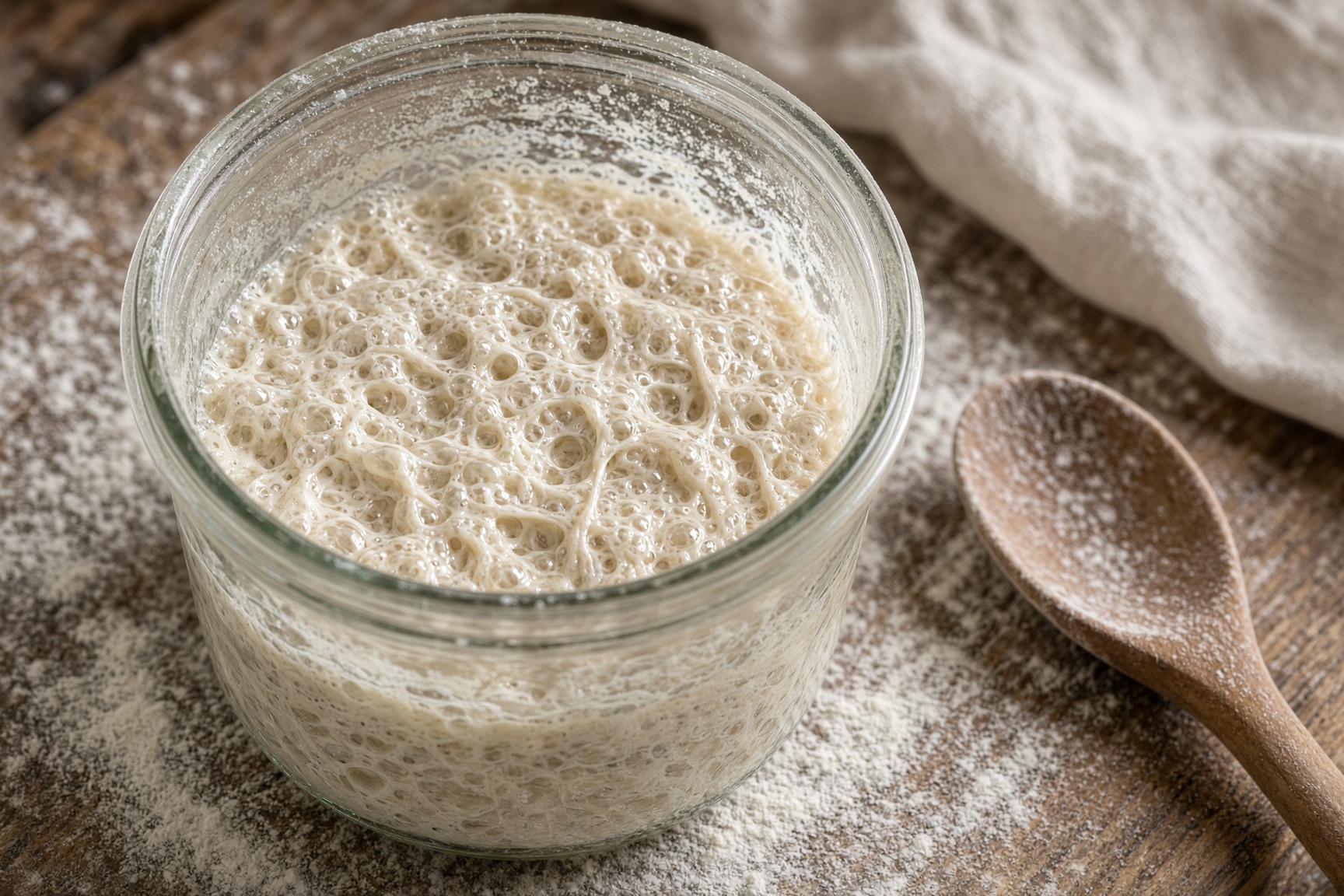
Our house white starter — lively, reliable, and the one we bake almost everything from. Comes with a feeding card.
Take one home
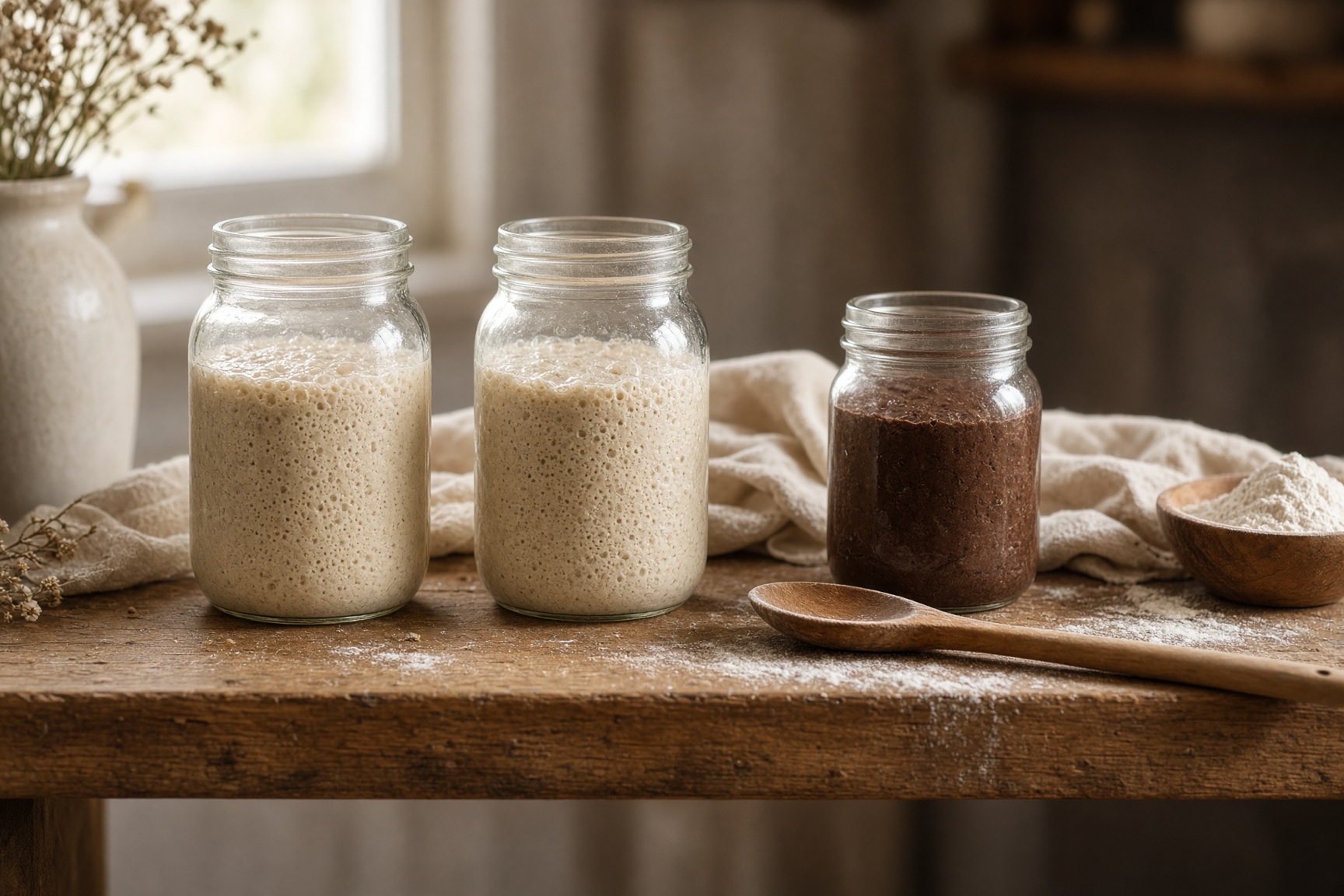
A jar of wild yeast, a feeding card, and the same cultures we bake from. Keep it on the counter. Name it if you want — we did.
jar
$12
Our house white starter — lively, reliable, and the one we bake almost everything from. Comes with a feeding card.
jar
$14
A cocoa-fed culture for chocolate loaves. Dark, fragrant, and a little wild.
jar
$16
A 4,500-year-old yeast culture we keep for lean, aromatic loaves. Named for the oldest bread stories we know.
Smithsonian: bread baked with 4,500-year-old Egyptian yeast
jar
$16
Dark rye sourdough starter, circa 1633. A rye culture with a deep, earthy sour. Bake it into a dark loaf or keep it as a pet that earns its keep.
Read the origin story
jar
$16
Carl Griffith’s 1847 Oregon Trail sourdough starter. A wagon-era culture, still fed, still rising. Comes with a feeding card.
Read the origin story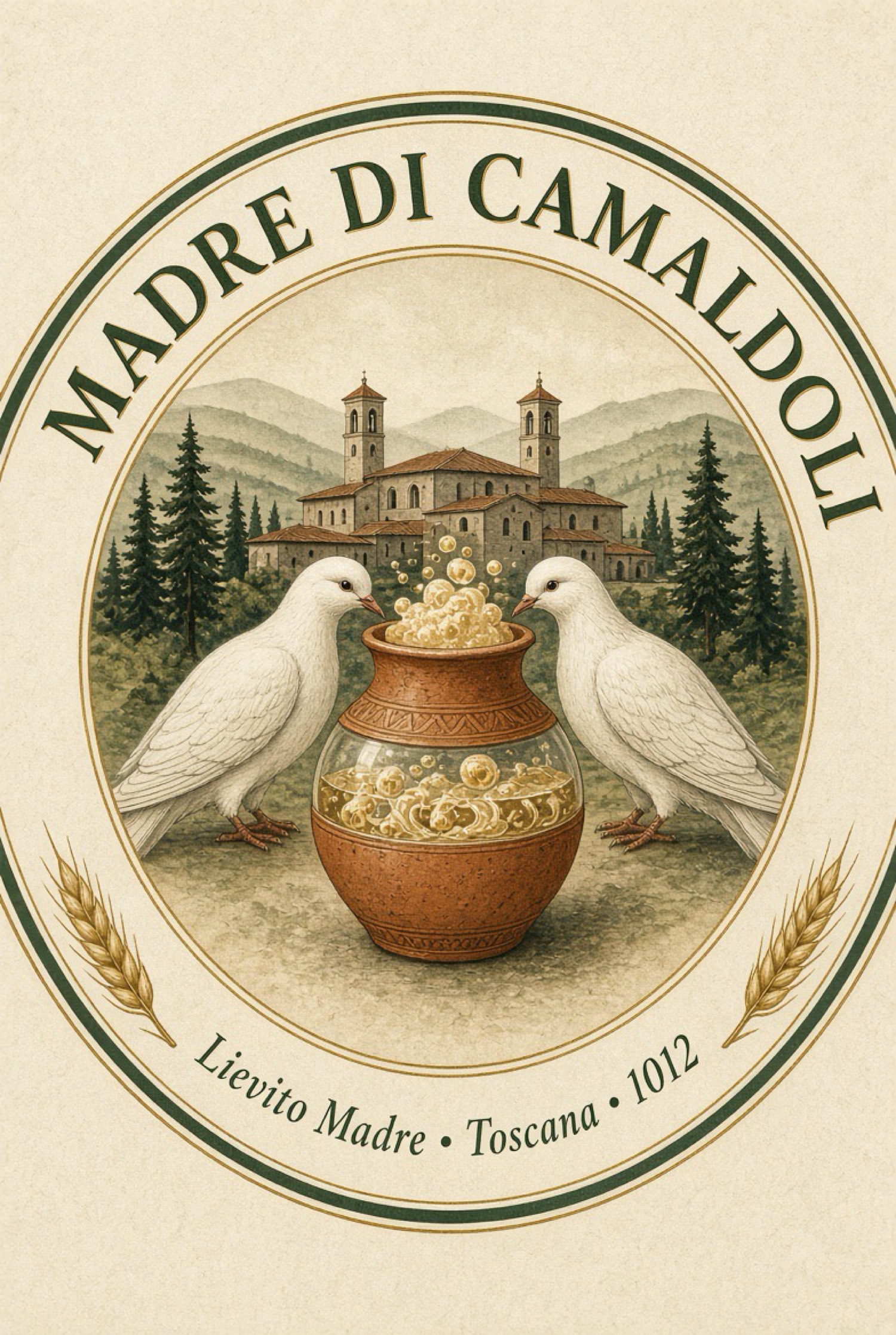
jar
$16
Lievito madre from Tuscany. Camaldoli is a hermitage-monastery founded in 1012 — monks keeping a living culture in isolation for a thousand years. Madre is the word Italian bakers actually use. Comes with a feeding card.
Read the origin storyBavarian Black Death Rye
The origins of the Bavarian “Black Death” sourdough starter are deeply intertwined with the socio-political climate of 17th-century Europe, particularly during the period of the Black Death. Historical records indicate that the infamous plague ravaged large portions of the continent in the 14th century, but its resurgence in the early 17th century posed a significant threat to the populace, particularly in Germany. By 1633, the town of Oberammergau, nestled within the scenic Bavarian Alps, was one of many communities grappling with the devastating effects of this pandemic.
Oral traditions suggest that this sourdough starter was preserved by local families as a means of survival. Prior to the availability of commercial yeast in the 20th century, leavened bread was primarily produced using naturally occurring wild yeasts. Bakeries and households relied on stable sourdough cultures to leaven their bread, making these starters invaluable. The unique climatic conditions of the Bavarian region contributed to the development of distinct microbial communities, resulting in the formation of a starter that not only represented the local terroir but also served as a testament to resilience amidst adversity.
1847 Carl Griffith’s Oregon Trail
According to Carl T. Griffith, his family’s sourdough culture was originally created by his great-grandmother, who traveled with her sourdough west from Missouri along the Oregon Trail in 1847, settling near Salem, Oregon.
The sourdough starter was passed down to 10-year-old Carl Griffith in about 1930 in a Basque-American sheep camp. His family was building a homestead in the Steens Mountains at the time, and he baked bread in a Dutch oven in a campfire-heated pit. Griffith took his starter on cattle drives in southeastern Oregon, during which he baked in chuck wagons.
Madre di Camaldoli
In the realm of culinary traditions, few elements carry as much historical and cultural significance as bread-making. Among the mass of bread types, sourdough stands out not only for its unique flavor profile but also for its rich history. One of the most intriguing narratives within the world of sourdough is that of a starter purportedly over a thousand years old, originating from the Camaldoli Monastery in Italy. This explores the historical context, the significance of this ancient sourdough starter, and its ongoing role in contemporary baking practices.
The Camaldoli Monastery, located in the serene Tuscan Apennine mountain range, was founded in approximately 1012 A.D. by St. Romuald, a Benedictine monk known for his devout ascetic lifestyle and dedication to solitary reflection. St. Romuald established a monastic community that emphasized a return to the contemplative life, fostering both spiritual and communal practices. The monks of Camaldoli were not only dedicated to their spiritual duties but also engaged in agricultural and artisanal activities, including the baking of bread.
The monastery’s secluded location allowed for the cultivation of a unique ecosystem, where the monks could nurture their sourdough starter in a stable environment, conducive to the development of wild yeast and beneficial bacteria. The sourdough starter, a living culture of flour, water, and microorganisms, became an integral part of the monks’ daily life and their culinary practices, serving as a testament to their commitment to tradition and quality.